
Course Modules
When you enroll in our training programs, you work through structured modules that each focus on specific aspects of Chilean real estate market analysis.
When you need to verify what properties actually sold for in a specific area, this module teaches you to access conservador de bienes raíces records, interpret inscription data, compile transaction histories, and identify patterns in actual sale prices across different Chilean communes. You learn which data sources are reliable, how to cross-reference information, and methods to organize transaction records for meaningful analysis.
When INE publishes housing price indices or CChC releases construction activity reports, this module shows you how to read these documents correctly. You learn what different statistics measure, their calculation methodologies, sampling limitations, and how to apply official data to specific market questions. The focus is understanding what these numbers actually tell you and what they don't.
When evaluating investment properties, this module teaches comprehensive return calculations. You learn to compute gross rental yield, identify all operating expenses specific to Chilean rental properties, account for vacancy periods, calculate net yield after expenses, and incorporate tax considerations. Exercises use real rental listings and actual expense data from Chilean markets.
When trying to understand why property values change in different areas, this module examines the factors that drive price movements. You study demographic trends, employment patterns, supply and demand dynamics, neighborhood development cycles, and how these elements interact. The approach is analytical framework rather than prediction - you learn to identify relevant factors and assess their potential influence.
When new metro lines, highways, or other infrastructure projects are announced, this module teaches you to evaluate their potential effect on property values. You learn to track project progress through official sources, assess completion probability based on budget and timeline factors, study historical impact patterns from completed projects, and measure distance-based effects on surrounding properties.
When comparing properties in different Chilean communes, this module helps you understand that each area has distinct market characteristics. You learn to analyze local economic factors, demographic composition, development regulations, neighborhood amenities, and how these create unique supply-demand dynamics. The focus is developing a framework to evaluate any commune rather than memorizing specific area characteristics.
When you work through course modules, exercises use actual Chilean market data and realistic scenarios.

When you complete exercises on transaction research, you access actual conservador websites and work with real property records. When you practice statistical interpretation, you analyze genuine INE reports. All exercises use authentic Chilean market information, not simplified hypothetical examples.
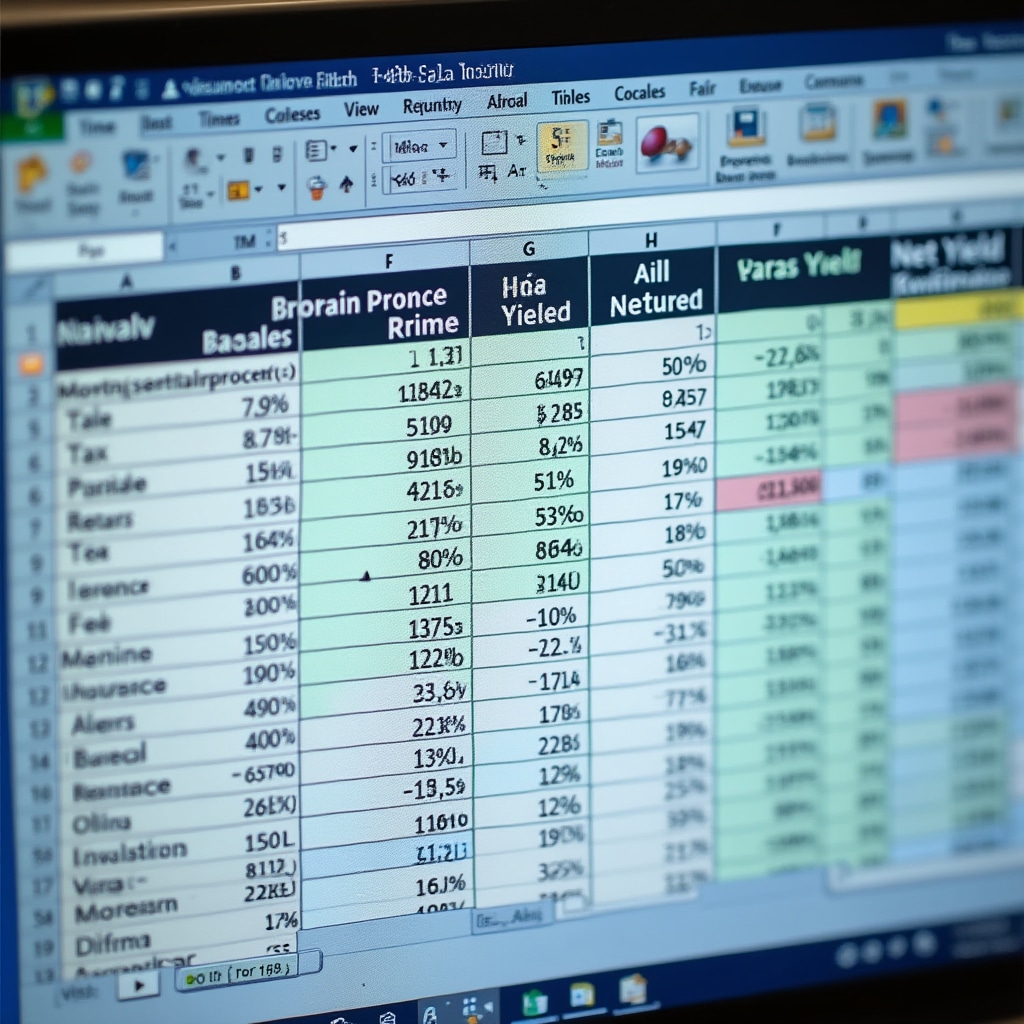
When you learn yield calculations, you work with actual rental listings, real expense data, and current Chilean tax regulations. You build spreadsheet models that you can adapt for analyzing any rental property after completing the course.

When studying infrastructure impact, you examine completed Chilean projects with documented before-and-after value changes. You learn to apply these analytical methods to current proposed projects, understanding both the framework and its limitations.
When you complete our training modules, you develop specific practical skills for independent market research.
When you need market information, you know where to find official statistics, transaction records, construction permits, demographic data, and other public information relevant to Chilean real estate analysis. You understand how to access these sources efficiently and extract relevant data.
When a seller or agent makes claims about prices, trends, or returns, you can check these statements against actual data. You know how to find comparable transactions, calculate real yields, and identify when marketing claims don't align with verifiable information.
When evaluating properties in a particular Chilean commune, you can research local market factors, compare the area to similar neighborhoods, identify unique characteristics that affect values, and understand how the local market operates within the broader regional context.
When considering rental properties, you can accurately calculate gross and net yields, account for all relevant expenses, incorporate vacancy and maintenance factors, and determine realistic return expectations based on Chilean market conditions and regulations.
When you're ready to develop independent research skills for Chilean real estate markets, our structured course modules provide practical training using real data and analytical frameworks.
Request Course Details